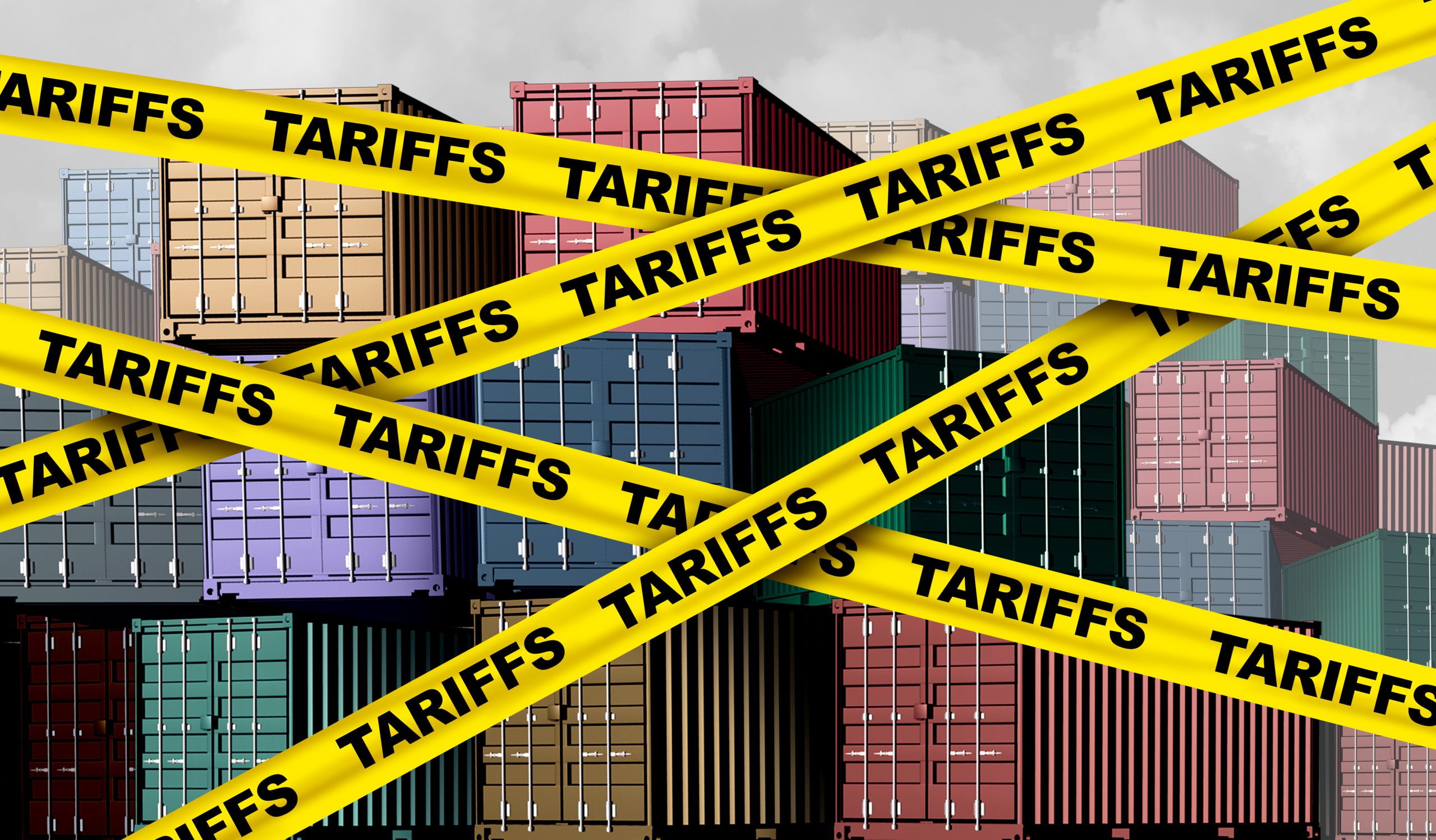
When I started reading about the stock market, I thought politics was just background noise. But on February 1, 2025, politics jumped right into the center of the market. That was the day President Trump announced the first round of tariffs.
He put a 25% tariff on most goods from Canada and Mexico, and a 10% tariff on imports from China. At first, this confused me.
Why would the U.S. tax goods from its neighbors and biggest trading partner?
The explanation was that tariffs are supposed to protect American industries and punish countries for things like unfair trade or illegal imports.
But here’s the thing:
a tariff is really just a tax on imports. That means companies in the U.S. that buy steel, cars, or electronics from abroad suddenly had to pay more. And if their costs go up, they might raise prices or lose profit. Either way, investors start paying attention.
What surprised me, though, was that the stock market didn’t crash immediately on February 1. It reacted, but not in the extreme way I expected. Maybe investors thought it was just the start, or maybe they didn’t believe the tariffs would stick. Either way, the big shock hadn’t come yet.
What I Learned
- A tariff is a tax on imported goods, which makes them more expensive.
- Trump’s first tariffs on Canada, Mexico, and China were announced February 1, 2025.
- These tariffs targeted trade partners but didn’t instantly crash the market.
- Markets sometimes wait and see before reacting to political news.
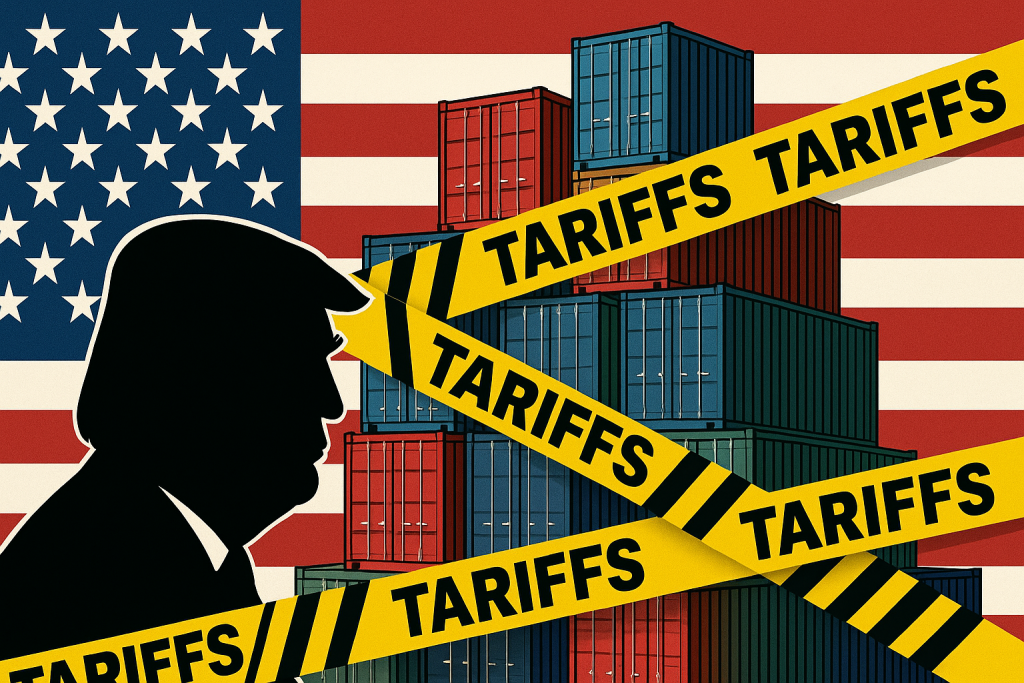
Next time: Things got way more serious on April 2—Trump’s “Liberation Day” tariffs. That’s when the market really panicked, and I’ll dive into why.
Leave a Reply