This semester officially ended today, along with our school investment club competition.
I finished in first place 🙂
Let’s take a look!
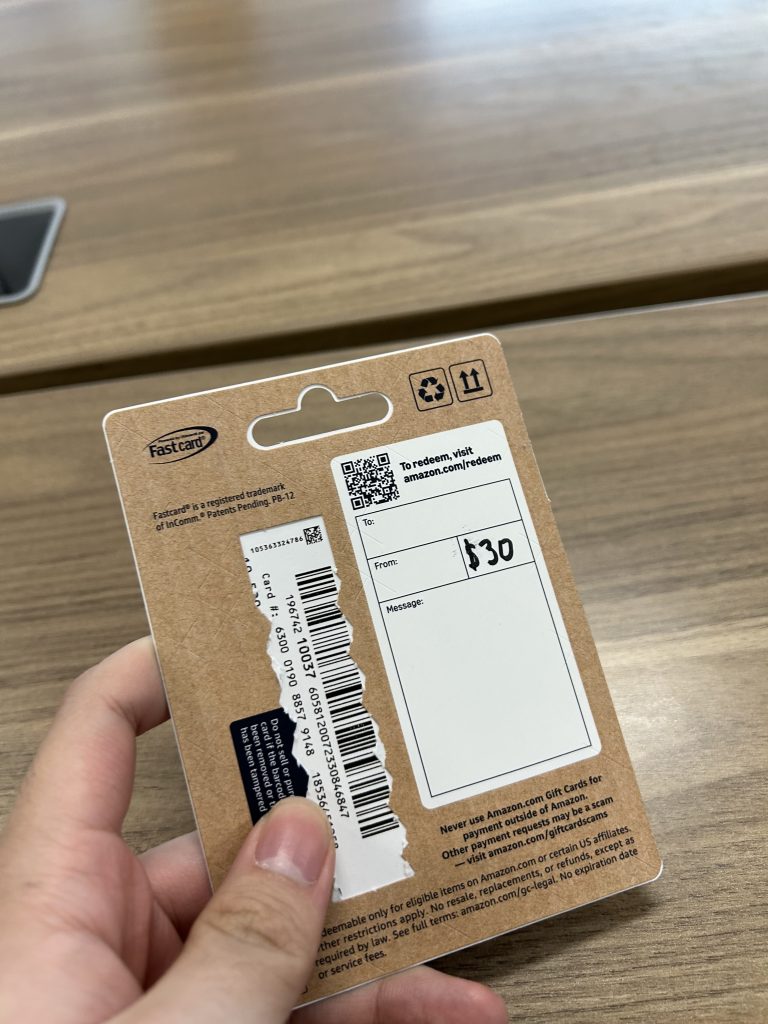
Amazon Gift Card from Investment Club!
1st Place Award
Thank you!
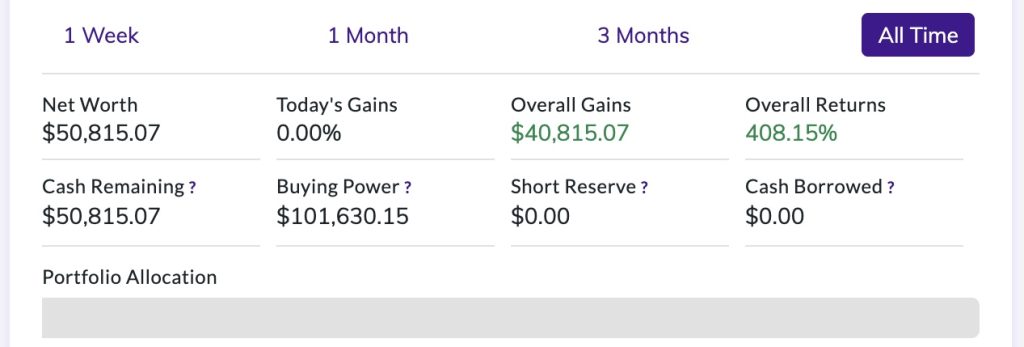
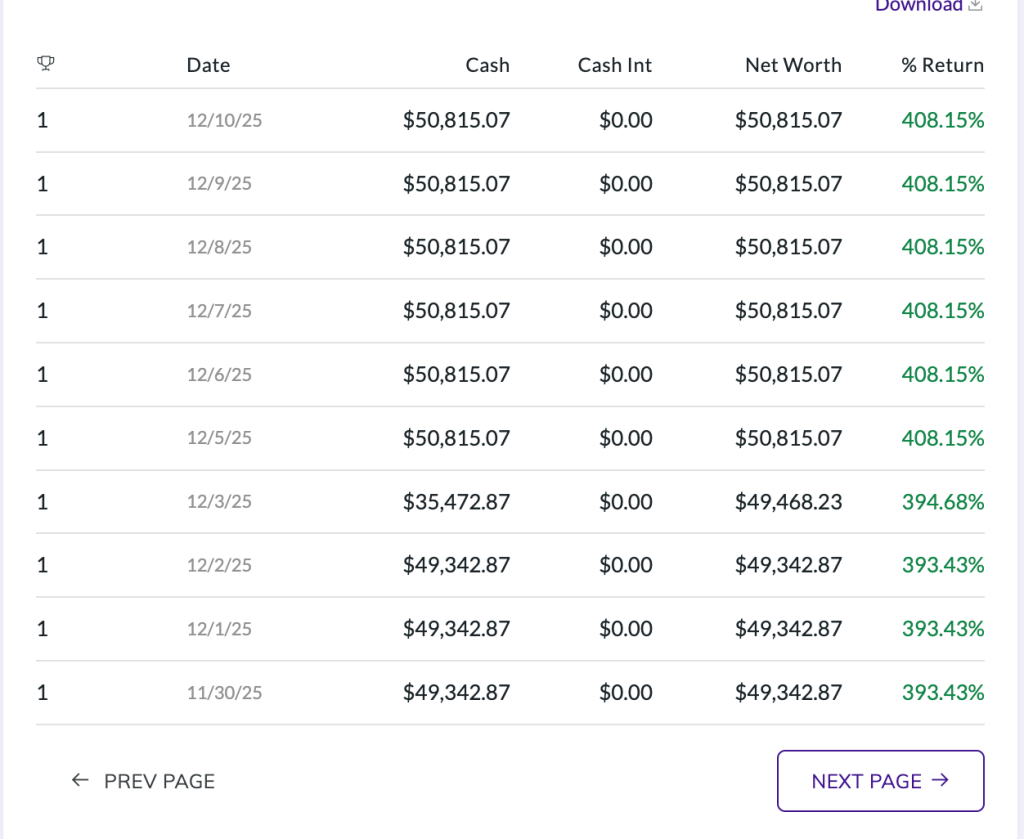
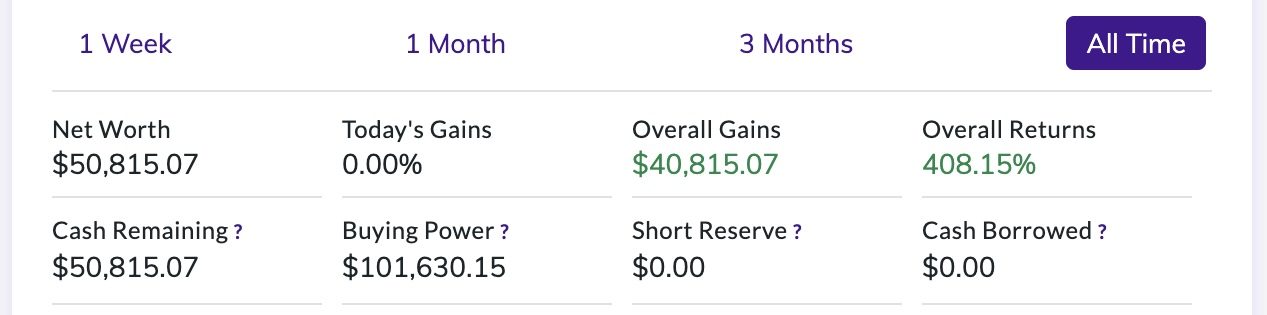
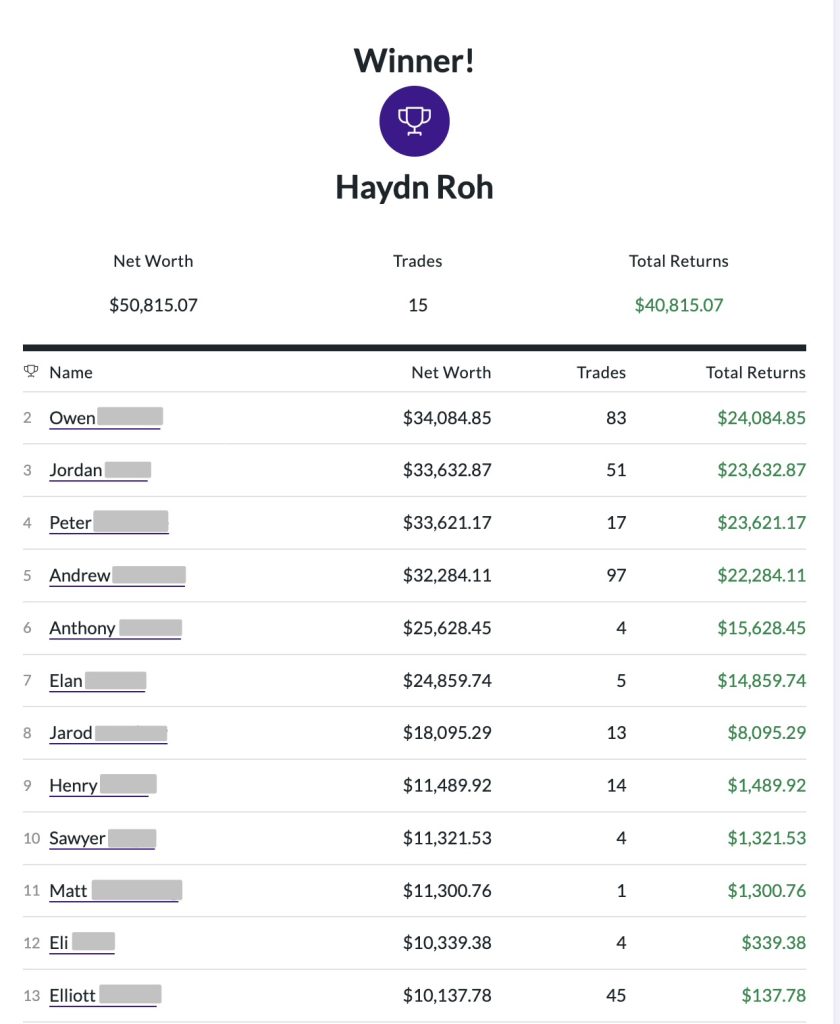
Seeing my name at the top of the leaderboard felt unreal. We started with $10,000 in virtual money, and by the end of the semester my portfolio reached $50,815.07. That is an overall gain of $40,815.07, or about 408 percent.
I will be honest. This was not because I traded the most or took the biggest risks. I only made 15 trades the entire semester. Many other students made 50, 80, or even over 100 trades. Some of them had moments where their portfolios jumped quickly, but a lot of those gains disappeared just as fast.
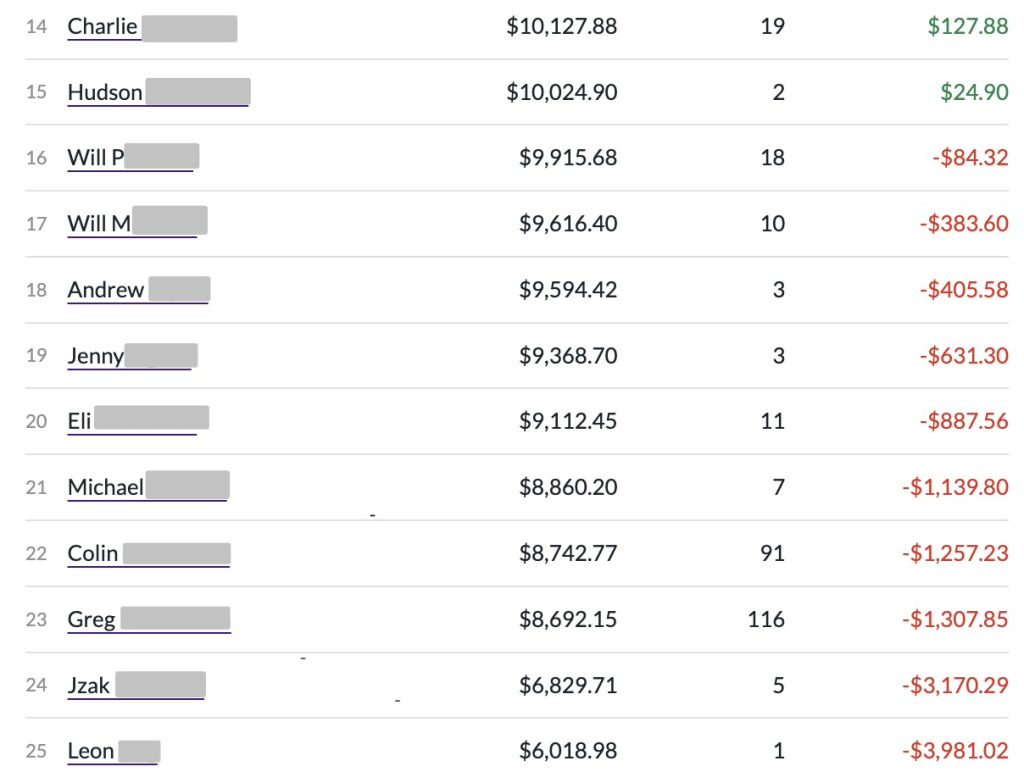
Looking at the rankings taught me a lot. Students who traded very often tended to struggle more. Some ended up deep in the negative. Others tried to recover losses by trading even more aggressively, which usually made things worse. Virtual money makes it feel easier to take risks, and I felt that temptation too, especially when I saw friends making fast gains.
One of the biggest learning moments for me was trading SQQQ. Until then, every stock I bought felt like supporting a company. SQQQ was completely different. It is not about a business or a product. It moves based on the direction of the Nasdaq. When the market drops, it goes up. I made money on that trade, and for the first time I realized that investors can profit from market conditions themselves, not just company growth.
Then something unexpected happened. While I was still holding SQQQ, it went through a reverse split. I had read about reverse splits before, but seeing it happen in my own portfolio was confusing at first. My share count changed, the price adjusted, and everything looked different even though the total value stayed the same. It made me realize how complex some market tools really are, and how dangerous it could be to use them without understanding how they work.
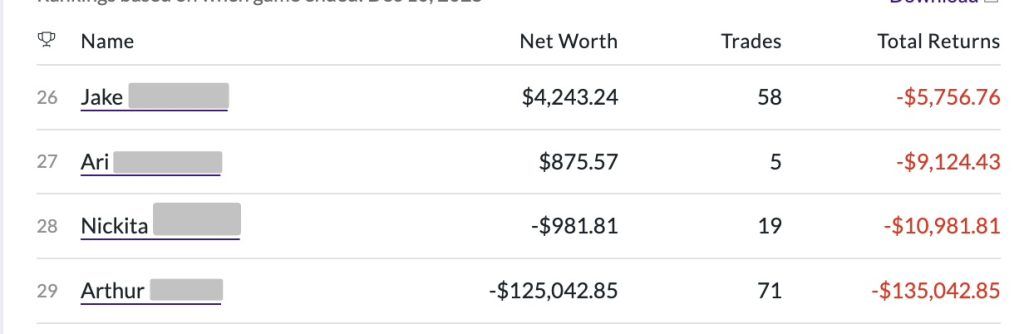
At the same time, watching other students lose money was just as educational. Some classmates recorded large negative returns. What shocked me most was how fast it happened. One bad decision, one emotional trade, or one delay in reacting, and the market responded immediately. There was no time to slowly fix mistakes. The speed of the market was honestly surprising.
I noticed how emotions played a huge role. When stocks dropped, people panicked. When something jumped, others rushed in too late. The market did not wait for anyone. It reacted instantly, and those reactions showed up clearly on the leaderboard.
Winning the competition feels great, and yes, getting a gift card for first place is fun. But the real reward came from understanding why this happened. I did not win because I chased the riskiest trades. I won because I traded less, stayed patient, and avoided reacting emotionally to every move.
This semester taught me that investing is not just about being right once. It is about understanding how fast information moves, how quickly prices change, and how easy it is to lose money when decisions are made without enough thought. Learning through experience made all of this feel real in a way that videos or articles never could.
One more thing that really stuck with me was where the rankings started to turn negative. From around 16th place and below, portfolios began showing losses instead of gains. Some were small, but others were not. The last place student especially stood out. He used margin heavily and took extreme risks. His portfolio completely collapsed.
Because this was a virtual competition, nothing real happened to him. But when I imagined this in the real world, it was honestly scary. If this were real money, he would have been bankrupt. He would probably be dealing with serious debt and credit problems. Seeing that made me realize how dangerous margin trading can be, especially when someone treats investing like a game.
I think the reason people took those risks was because it was not real money. When losses do not hurt, it becomes easier to ignore consequences. But the market does not care whether the money is real or virtual. The same decisions would have led to the same outcomes in real life, just with much more painful results.
This also made me reflect on my own performance. My short term trades worked unusually well this semester. The timing lined up almost perfectly, and I was able to get strong returns with relatively few trades. But I do not believe this is normal or something I should expect every time. A lot of it came down to market conditions and luck.
I do not want to confuse good timing with guaranteed skill. If I tried to repeat the same strategy over and over, the results could easily be very different. This experience taught me that winning once does not mean the strategy is safe forever. It just means it worked this time.
Watching both the winners and the people who lost badly made the lesson very clear. The market rewards patience and preparation, but it punishes overconfidence quickly. Virtual money made the risks easier to ignore, but it also made the lessons impossible to forget.
What I learned
- Trading less can sometimes lead to better results.
- Market direction tools behave very differently from normal stocks.
- Experiencing a reverse split made market mechanics feel real.
- The market reacts faster than most people expect.
- Watching other people lose money can be just as educational as winning.
I am proud of this result, but I know it does not make me an expert. It just means I learned a lot in one semester. This competition changed how I see investing. It feels less like a game now and more like a system that rewards patience, preparation, and respect.
I will not go into the details of every stock I traded, but I will say this. A lot of luck followed one company near the end. Sandisk. Watching what happened taught me something I do not think I will ever forget.
Seeing a stock move simply because it was added to an index was eye opening. Nothing about the company changed overnight. No new product. No dramatic announcement. Just inclusion. And yet the price reacted immediately. That was when I truly understood how powerful index inclusion can be. It is not just passive money. It is massive money moving all at once.
In the end, Sandisk ended up being one of the biggest contributors to my final result. It almost felt funny. After a semester full of learning, stress, patience, mistakes, and discipline, I finished strong because of something I had studied earlier but finally saw with my own eyes.
If there is one thing this semester taught me, it is this. You can read about markets forever, but some lessons only stick when you experience them yourself. Watching an index inclusion move a stock in real time was one of those moments. And yes, I am not going to lie. Ending the semester making a lot of money on Sandisk felt pretty good.
But more than that, it reminded me why I started this journey in the first place. Not to chase luck, but to recognize it when it shows up and understand why it happened.
Leave a Reply