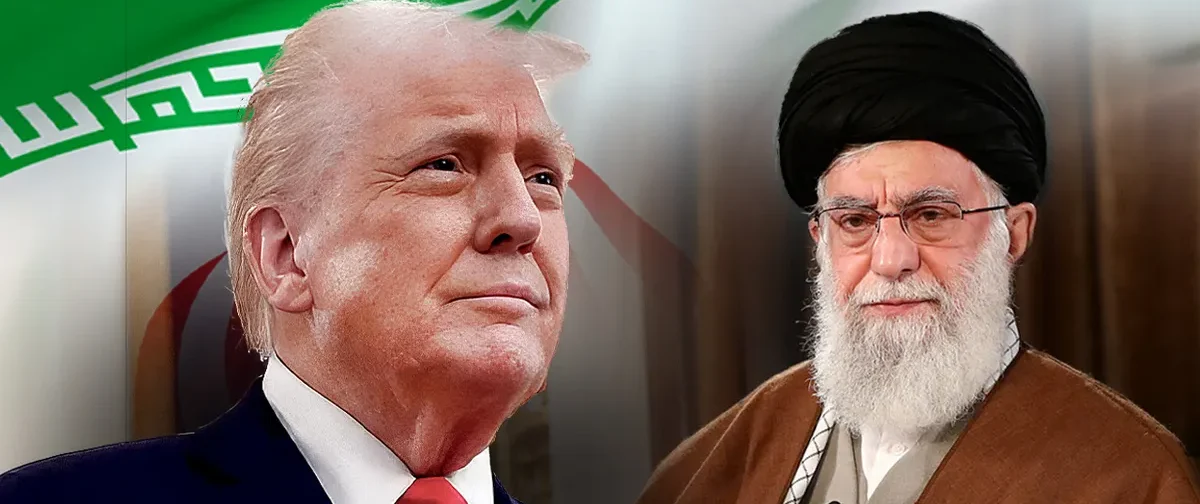
Lately the market has felt chaotic.
News about tensions involving Iran started appearing everywhere and oil prices jumped almost immediately. Suddenly the whole market felt unstable. At first I thought it would just be another geopolitical headline that traders talk about for a day and then forget. But then I opened my portfolio and realized the market was actually reacting.
Most of my portfolio is in tech. That means whenever macro events hit the market, my positions usually feel it first. As oil prices started rising and investors began worrying about inflation again, many tech stocks started dropping. Growth stocks tend to struggle when energy prices increase because higher fuel costs can push inflation higher and keep interest rates elevated. When investors get nervous about inflation, they often move money out of growth sectors.
One of the hardest hits in my portfolio was SanDisk. The drop was faster than I expected and it was frustrating to watch because nothing about the company itself had suddenly changed. The technology sector didn’t suddenly become worse overnight. What changed was the global environment. When geopolitical tension increases, investors sometimes reduce risk across the entire tech sector even if individual companies are still strong.
Meanwhile something else was happening at the same time. Oil prices started rising.
This is something that actually didn’t surprise me. Whenever tensions increase in the Middle East, energy markets usually react very quickly. A big reason is geography. The Strait of Hormuz is one of the most important oil shipping routes in the world and a huge portion of global oil supply moves through that narrow waterway every day. If conflict threatens shipping routes or energy infrastructure in that region, the market immediately starts pricing in the possibility of supply disruption.
When that happens, oil prices usually move first. And when oil rises, energy companies often benefit.
Looking back, that pattern happened again. Energy stocks started moving up while tech stocks moved down. Watching that happen was frustrating because I actually expected oil to rise if tensions escalated. The problem is that I didn’t act on it. I thought about buying energy stocks but hesitated and ended up doing nothing. Then I watched energy rally while parts of my portfolio dropped.
That experience reminded me of something important about investing. Knowing what might happen in theory is very different from actually acting on it in real markets. It is easy to analyze geopolitical risk after the market has already reacted. It is much harder to place a trade before everyone else starts talking about it.
Another thing that surprised me was how fast markets moved. It felt like the market reacted before most people even finished reading the news headlines. Oil started rising, tech started falling, and suddenly the entire tone of the market shifted in a matter of days.
Moments like this show how closely geopolitics and financial markets are connected. Markets are not driven only by earnings reports or new products. Sometimes events happening thousands of miles away can suddenly change the direction of entire sectors. Oil, inflation, interest rates, and investor psychology can all become connected very quickly.
Watching this happen in real time was frustrating because my portfolio felt the downside of the move while the sector I expected to rise was the one I didn’t buy. But it was also a reminder that investing is constantly teaching lessons, sometimes the hard way.
What I Learned
- Global politics can affect markets faster than I expected.
- Tech stocks are very sensitive to macro events.
- Oil prices often react first when Middle East tensions rise.
- Knowing what might happen is not the same as acting on it.
- Missing an opportunity can be just as frustrating as taking a loss.
Leave a Reply