I have always been interested in wars, but one thing I find interesting is how a conflict can affect people who live thousands of miles away from the battlefield. You might think a war in the Middle East would mainly affect the countries involved. However, when oil prices start rising, the effects can reach the United States very quickly. Gas becomes more expensive, businesses face higher costs, and investors begin worrying about the entire economy.
Today, that connection is becoming difficult to ignore. On March 27, Brent crude oil rose to $112.57 per barrel, while U.S. crude reached $99.64. Since the U.S. and Israeli strikes against Iran began on February 28, Brent crude had risen by about 53%. At the same time, the Nasdaq Composite fell into correction territory, meaning it had dropped more than 10% from its previous record high. The S&P 500 fell 1.7% that day, and the Dow Jones Industrial Average also declined.
(Sources: Reuters, March 27, 2026; Bloomberg, March 27, 2026.)
But why does a conflict involving Iran have such a large effect on oil prices in the first place? To understand that, we need to look at a map.
The Geography Behind the Oil Crisis
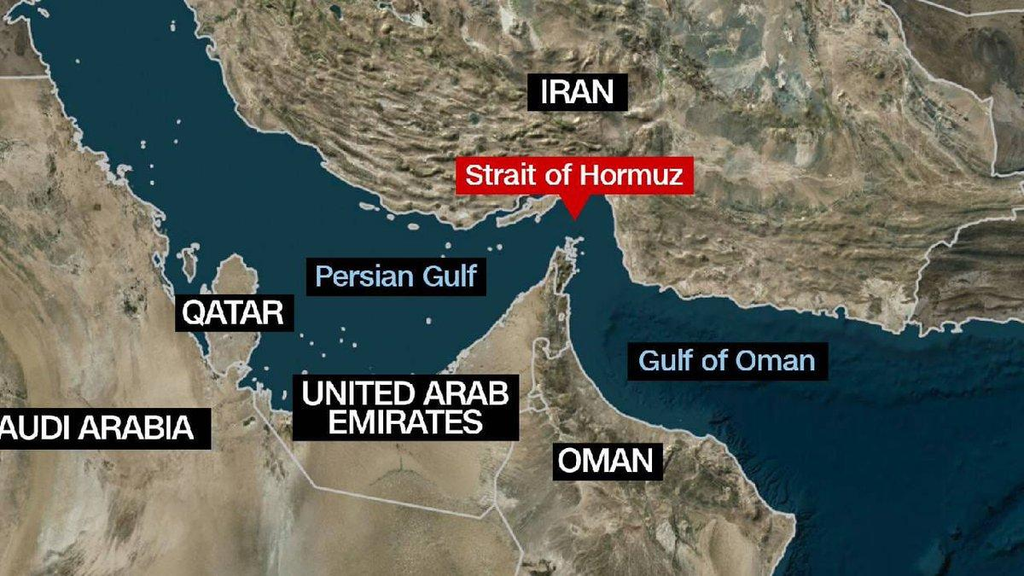
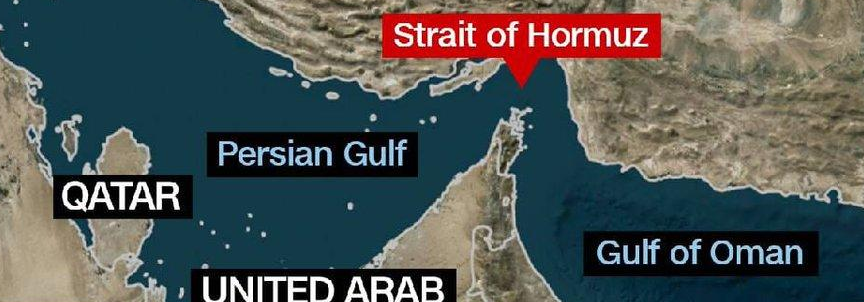
The Strait of Hormuz is a narrow waterway between Iran to the north and Oman and the United Arab Emirates to the south. It connects the Persian Gulf to the Gulf of Oman and, beyond that, the Arabian Sea. This location makes it one of the most important routes for transporting oil in the world.
Countries including Saudi Arabia, Iraq, Kuwait, the United Arab Emirates, and Qatar depend heavily on shipping routes in the Persian Gulf to transport energy products to international markets. Many of these shipments pass through the Strait of Hormuz before reaching customers in Asia and other parts of the world.
According to the U.S. Energy Information Administration, approximately 20 million barrels of petroleum liquids passed through the strait each day in 2024. That was equivalent to about 20% of global petroleum liquids consumption. The strait also carried around one-fifth of global liquefied natural gas trade.
These numbers explain why the location matters so much. The problem is not simply that Iran produces oil. It is that a huge amount of energy from several countries travels through the same narrow passage.
Imagine what would happen if trucks carrying a large portion of the world’s food suddenly had to stop using the same highway. Even if the farms were still producing food, getting that food to consumers would become much more difficult and expensive. The Strait of Hormuz creates a similar problem for energy transportation.
There are alternative routes, including pipelines that allow some oil to bypass the strait. However, these alternatives cannot easily replace all the oil normally transported through it.
This means that even the threat of a prolonged disruption can affect prices before a complete shutdown occurs.
Why Does the Price of Oil Rise Before the Oil Actually Runs Out?
Oil prices are influenced by supply and demand, but they also depend on expectations about the future.
When traders believe that less oil may reach the global market, they begin adjusting the prices they are willing to pay. If shipping becomes more dangerous, tankers may face higher insurance costs or delays. If oil infrastructure is damaged, production and exports may be reduced. These risks can push prices higher even before the full effect on physical supply becomes clear.
This is particularly important during a war because nobody knows exactly how long the disruption might last.
On March 27, Reuters reported that Brent crude rose to $112.57 per barrel as uncertainty surrounding the conflict and the Strait of Hormuz continued. Investors were also questioning whether diplomatic negotiations would lead to a lasting reduction in tensions.
For investors, this creates a difficult situation. The price of oil can rise because traders expect a shortage, even when the shortage has not yet fully occurred. If the threat later decreases, oil prices can fall just as quickly.
That is why buying an energy stock simply because oil prices are rising can be more complicated than it appears.
From the Oil Market to the Gas Station
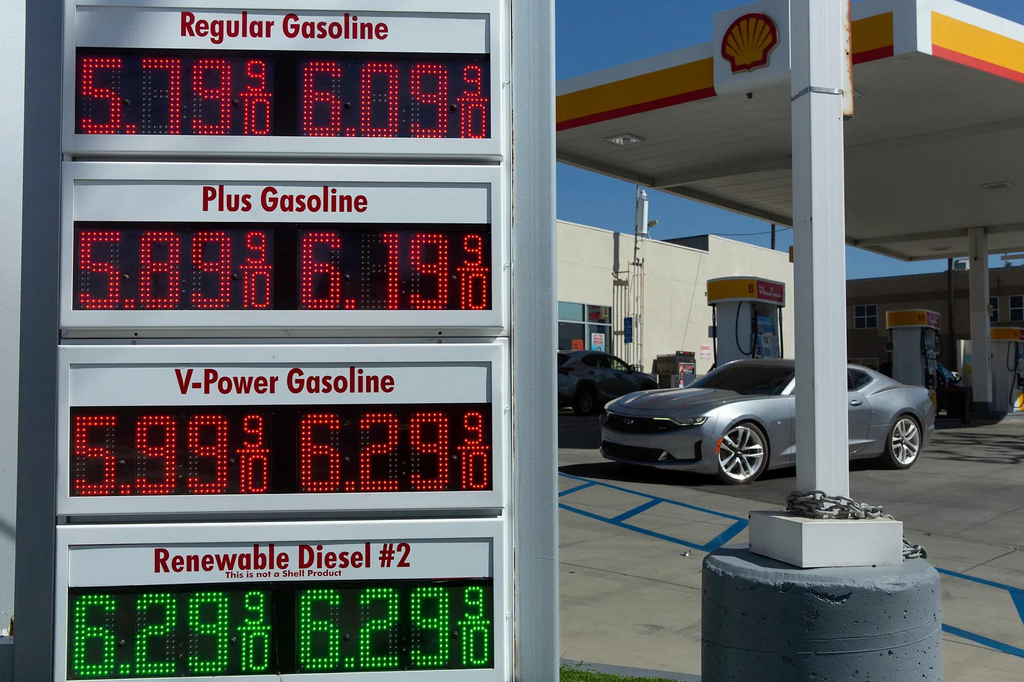
The next question is how this affects ordinary people in the United States.
Crude oil is used to produce gasoline, diesel, jet fuel, and many other petroleum products. When crude oil becomes more expensive, refineries and fuel distributors face higher input costs. Over time, some of those costs can reach consumers at the gas station.
However, the relationship is not immediate or perfectly proportional. Gasoline prices also depend on refinery capacity, seasonal demand, transportation costs, taxes, and regional supply conditions.
Higher fuel prices can also affect businesses. Airlines may face larger fuel bills. Delivery companies may spend more on transportation. Manufacturers may pay more to move raw materials and finished products. Some companies can pass these costs to customers, while others may have to accept lower profit margins.
For families, higher gasoline prices leave less money available for other purchases. When many consumers face higher costs at the same time, overall spending can weaken.
This is how an event in the Persian Gulf can eventually affect businesses and households in the United States.
Why Are Technology Stocks Falling?
The part that interests me most as an investor is how the rise in oil prices connects to the stock market, especially technology stocks.
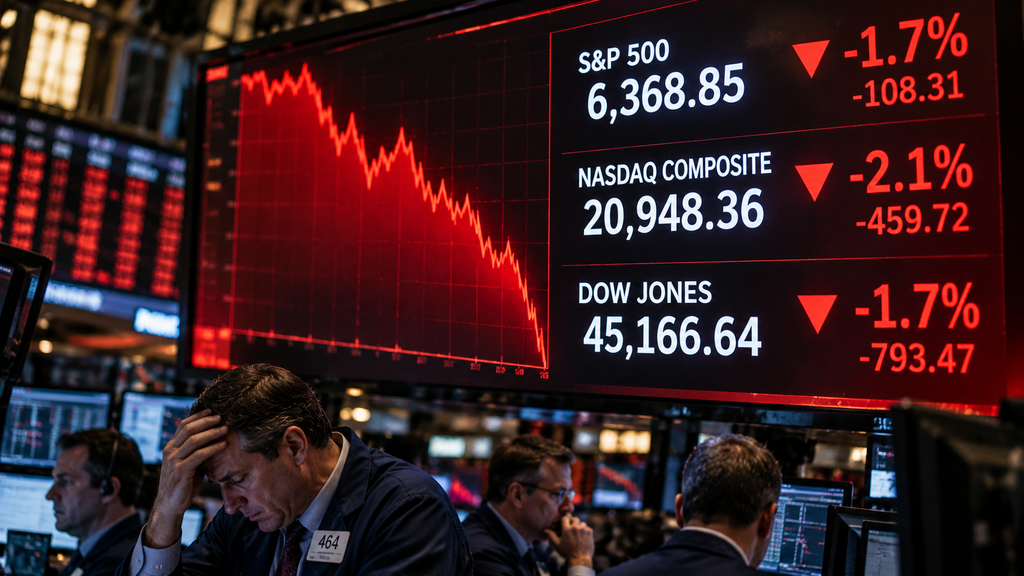
On March 27, the Nasdaq Composite was already more than 10% below its previous record high, putting it in correction territory. The S&P 500 fell 1.7%, and energy shares performed relatively better as crude prices rose. According to Bloomberg’s market coverage that day, investors were increasingly concerned that expensive oil could increase inflation and weaken the global economy.
Why would higher oil prices hurt technology stocks?
One reason is interest rates. If energy prices remain elevated, inflation may become harder to control. That could make the Federal Reserve more cautious about lowering interest rates.
Many growth companies are valued partly on the profits investors expect them to generate in the future. When interest rates rise, those future profits become less valuable in today’s dollars. Investors may therefore become less willing to pay high prices for companies whose valuations depend heavily on future growth.
There is another problem. Higher energy and transportation costs can increase operating expenses for businesses. Companies may also face weaker consumer demand if households have less money to spend.
However, it would be too simple to say that the Iran conflict explains every decline in technology stocks. Company earnings, AI investment expectations, semiconductor demand, interest rates, and other news can all affect prices at the same time.
This is an important distinction for me. When my technology holdings fall, I need to understand whether the decline reflects a problem with the individual company, a broader market selloff, or a combination of both.
Could Energy Stocks Be an Opportunity?
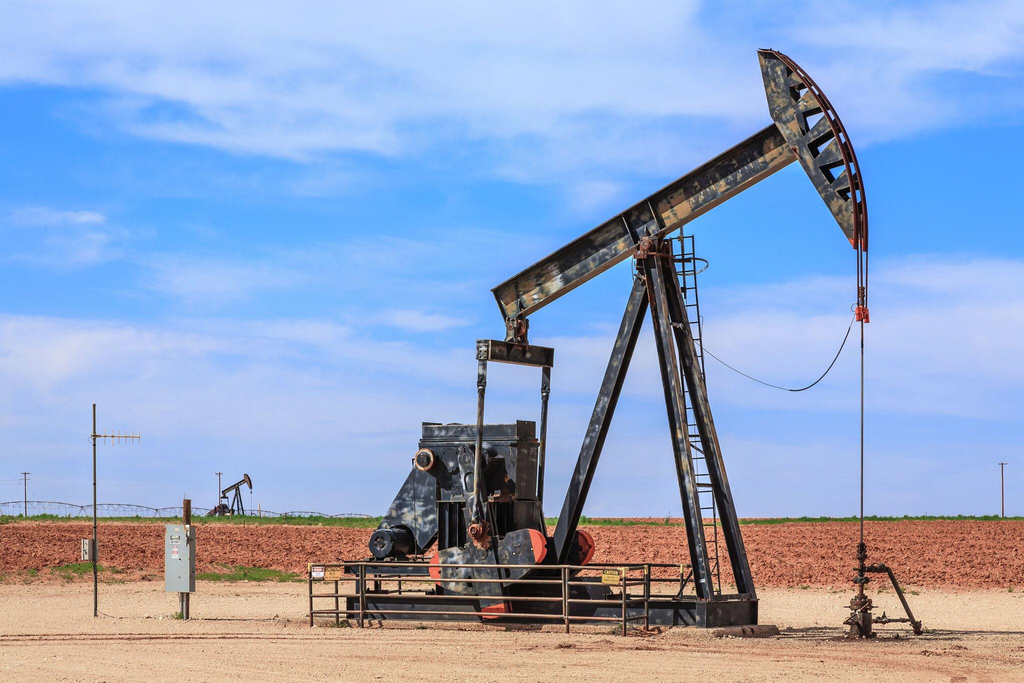
Higher oil prices can benefit some energy producers because the companies may receive more revenue for each barrel they sell. That helps explain why energy shares can outperform the broader market during periods of supply uncertainty.
But rising oil prices do not automatically make every energy stock a good investment. Producers have different operating costs, debt levels, production plans, and exposure to changing oil prices. If the conflict ends or supply conditions improve, oil prices could decline and reduce the expected benefits.
There is also a timing problem. By the time an investment opportunity seems obvious in the news, stock prices may already reflect much of that expectation.
This is something I want to pay more attention to. Understanding why a sector might benefit from an event is useful, but it does not tell me whether its stocks are already too expensive or whether the market is expecting something different.
source- https://www.eia.gov
What I Learned
- Geography can have a major effect on financial markets. The Strait of Hormuz is a narrow passage, but the amount of energy transported through it makes it extremely important to the global economy.
- Oil prices respond not only to current supply and demand but also to expectations about future disruptions.
- Higher oil prices can affect gasoline costs, business expenses, inflation, interest rates, and stock valuations. These effects do not happen at the same speed, and they do not affect every company equally.
- Finally, a market decline is not necessarily an opportunity to buy everything that has fallen, just as a rising energy sector is not automatically a good investment. Understanding what caused a price movement is only the first step. The harder question is deciding what that information actually means for an investment.
Leave a Reply